

Why Does My Dog Have Bad Breath? Causes, Treatment & When to Worry
Bad breath in dogs is not normal. It’s common but it’s not normal.
If your dog’s breath smells rotten, metallic, fishy, or unusually strong, there is usually an underlying issue. Many pet owners ignore dog bad breath until it becomes serious. That is a mistake.
In most cases, bad breath in dogs is the first warning sign of dental disease. In some cases, it can signal internal health problems that require immediate attention.
If you want to understand the bigger picture of oral health, read our guide on why dental care is important for pets. Read More
What Is Normal Dog Breath?
Dogs do not have minty breath. But healthy dog breath should not be extremely foul, sour, or overpowering.
If you instinctively pull your head away when your dog pants near you, that is not “just dog smell.” Persistent bad breath in dogs is usually a sign that something is wrong.
Common Causes of Bad Breath in Dogs
Plaque and Tartar Buildup (Most Common Cause)
The number one cause of dog bad breath is plaque buildup.
Food particles mix with bacteria in your dog’s mouth. Over time:
• Plaque forms on the teeth
• Plaque hardens into tartar
• Gums become inflamed
This bacterial buildup produces the strong odor most owners notice.
If untreated, this leads to periodontal disease, which affects most adult dogs over the age of three.
Gum Disease (Periodontal Disease)
When plaque spreads below the gum line, infection begins.
Signs of gum disease include:
• Red or swollen gums
• Bleeding while chewing
• Loose teeth
• Pain while eating
At this stage, bad breath in dogs is more than cosmetic. The infection can enter the bloodstream and affect the heart, liver, and kidneys.
Something Stuck in the Teeth
Dogs chew bones, sticks, toys, and grass.
Sometimes food or debris gets trapped between the teeth and starts decomposing. This can cause sudden bad breath that appears quickly.
If your dog’s breath changed overnight, inspect the mouth carefully.
Digestive Problems
If the breath smells sour or acidic rather than rotten, it may be digestive.
Possible reason include:
• Poor digestion
• Low-quality diet
• Gut imbalance
However, dental disease is far more common than stomach-related causes of bad breath in dogs.
Kidney Disease (Serious Warning)
If your dog’s breath smells like ammonia or urine, this may indicate kidney disease.
Other warning signs:
• Increased thirst
• Frequent urination
• Weight loss
• Lethargy
This situation requires immediate veterinary attention.
Diabetes
A sweet or fruity smell on the breath may signal diabetic ketoacidosis.
If bad breath is combined with:
• Increased hunger
• Increased thirst
• Sudden weight loss
Seek veterinary care urgently.
When Should You Be Concerned?
Bad breath becomes serious if it is combined with:
• Refusal to eat
• Excessive drooling
• Bleeding from the mouth
• Facial swelling
• Behavioral changes
• Vomiting or weakness
Dog bad breath alone is usually dental. Dog bad breath plus symptoms is a medical concern.
How to Treat Bad Breath in Dogs
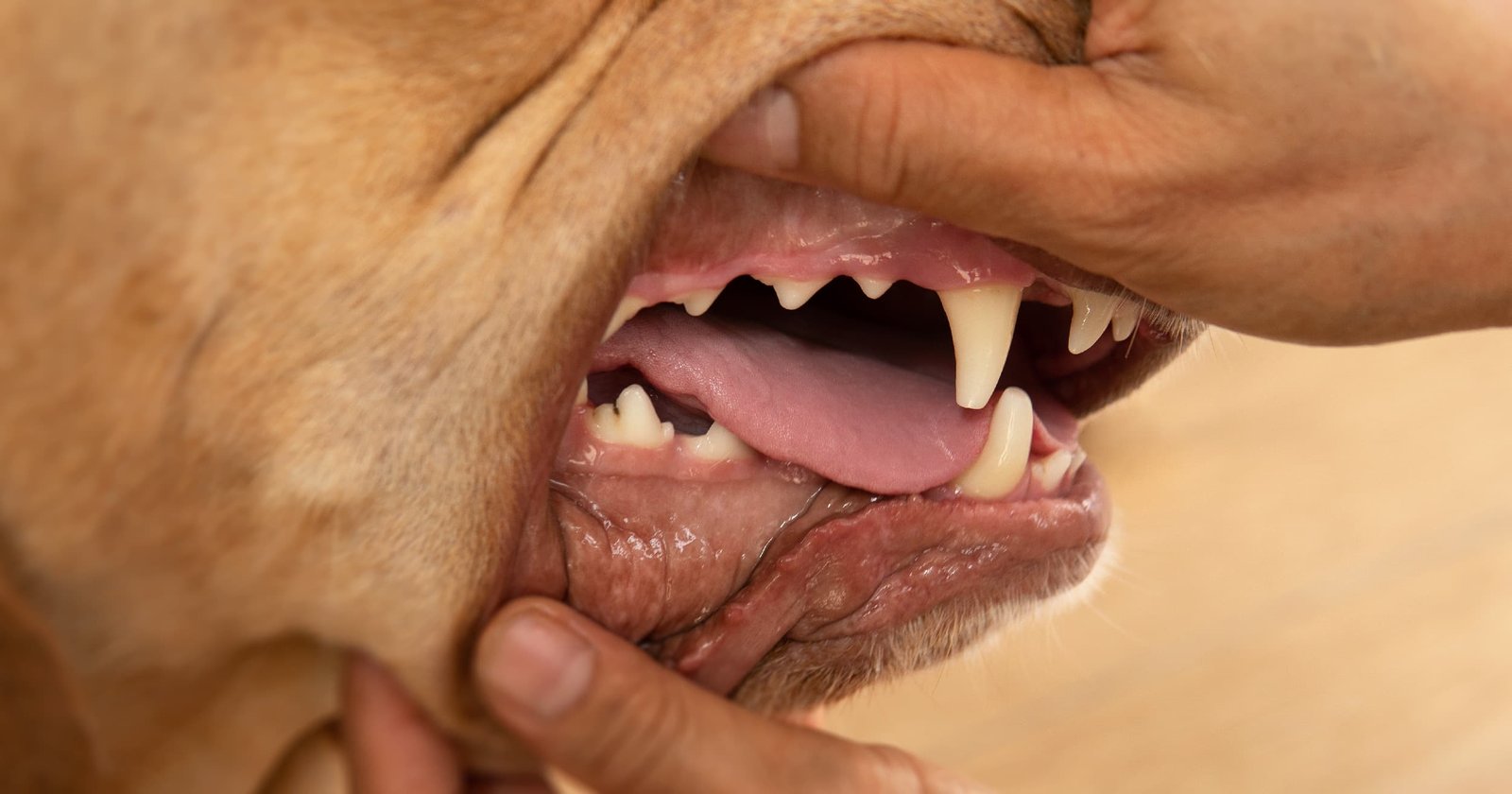
1. Check the Mouth
Look for tartar buildup, inflamed gums, broken teeth, or trapped debris.
2. Professional Dental Cleaning
If tartar is advanced, brushing at home will not solve the problem. A veterinary dental cleaning may be required.
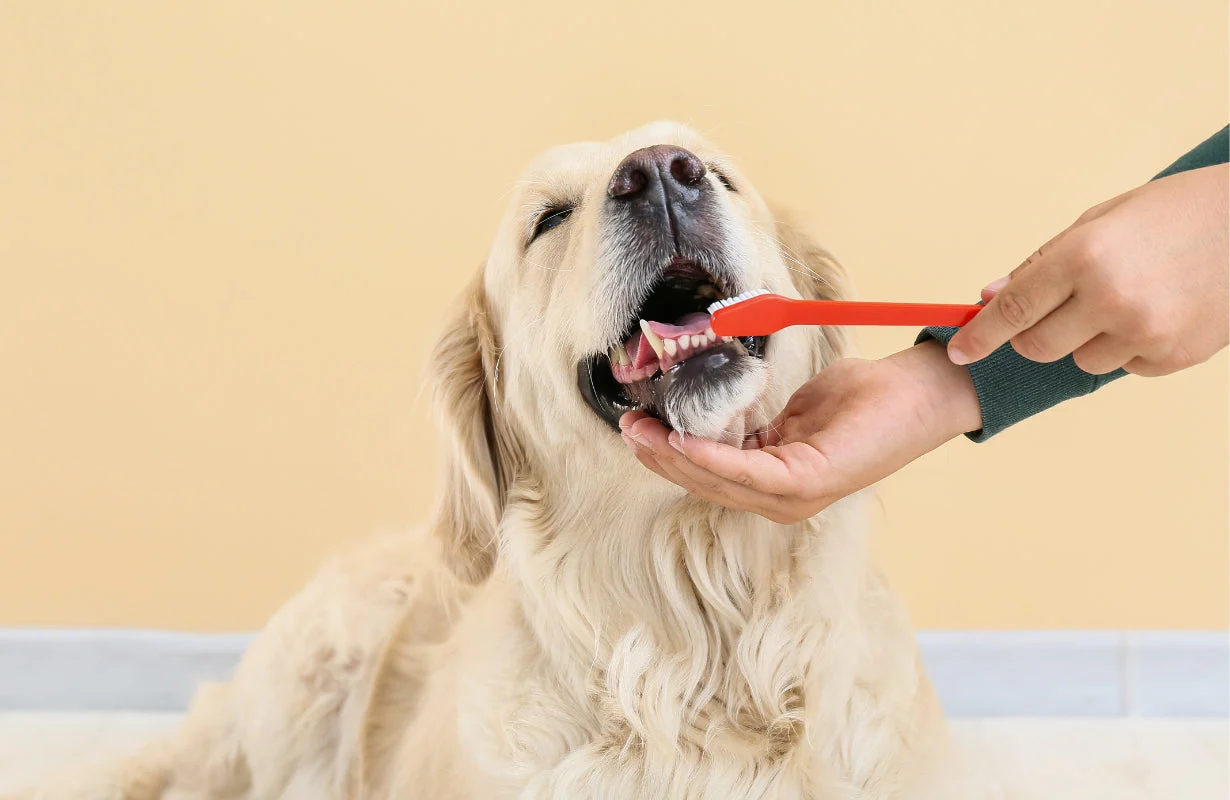
3. Start a Brushing Routine
Brushing your dog’s teeth three to four times per week significantly reduces plaque buildup.
Always use dog-safe toothpaste. Human toothpaste can be toxic.
4. Schedule Regular Health Exams
Annual veterinary checkups help detect early signs of dental disease and systemic illness.
How to Prevent Bad Breath in Dogs Long-Term
Prevention includes:
• Consistent brushing
• Annual dental evaluations
• Monitoring chewing habits
• Feeding a balanced, high-quality diet
• Treating gum inflammation early
Most cases of bad breath in dogs are preventable with routine care.
Frequently Asked Questions About Dog Bad Breath
Is bad breath normal in dogs?
No. Persistent strong odor usually indicates dental disease or an underlying health issue.
Can I fix my dog’s bad breath at home?
Mild cases may improve with brushing, but heavy tartar requires professional cleaning.
How often should I brush my dog’s teeth?
Ideally three to four times per week to reduce plaque and prevent gum disease.
Final Thoughts
Bad breath in dogs is not just an inconvenience. It is usually a sign of dental disease and, in some cases, a signal of serious internal health problems.
Ignoring it allows small issues to become painful and expensive conditions.
If your dog’s breath smells unusual, investigate early. Prevention is simple. Advanced disease is not.

Leave a Reply