

Why Your Dog Might Be Stressed 5 Warning Signs You Shouldn’t Ignore
Dogs don’t talk but they don’t stay quiet either. When they’re stressed, they show it. And if you ignore those signs, stress can turn into serious health or behavior problems. Spotting stress early and dealing with it quickly can save you a lot of heartache down the road.
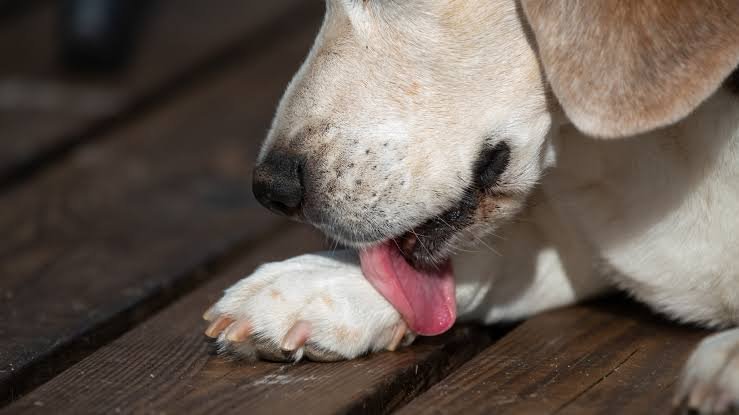
1. Excessive Licking or Chewing
If your dog constantly licks its paws or chews random objects, it’s often a coping mechanism for stress or anxiety.
What to do:
• Offer a chew toy or a safe bone.
• Distract them with play or a walk to reset their mind.
• Try calming activities — gentle petting, soft voice, short calm environment.
2. Panting or Heavy Breathing When At Rest
Panting after play or during hot weather is normal. Panting while resting or indoors that’s a sign something’s emotionally or mentally off.
What to do:
• Move them to a quiet, calm place.
• Avoid overstimulation (loud noises, constant attention).
•. Keep your own energy steady your dog senses how you feel.
3. Low Posture / Tucked Tail / Avoiding Eye Contact
If your dog walks low, tail tucked, or avoids looking at you that’s fear or discomfort.
What to do:
• Give space and avoid forcing interaction.
• Let them approach you on their terms.
• Rebuild trust slowly through calm, gentle care.
4. Restlessness or Pacing
If your dog can’t sit still pacing, walking in circles, or moving constantly that’s a red flag. Dogs get that way when they’re anxious or overwhelmed.
What to do:
• Try to identify what’s stressing them (noise, new people, change in routine).
• Provide mental stimulation a puzzle toy, interactive play, or a walk.
• Maintain a calm environment.
5. Loss of Appetite or Refusing Food
Dogs that refuse to eat despite being healthy may be under severe stress or even depression.
What to do:
• Keep feeding time consistent.
• Avoid changing diet suddenly.
• Offer something light and familiar.
• If the issue continues, get professional advice from a veterinarian.
How to Help Your Dog Quick Tips
• Stick to a consistent daily routine (feeding, walks, rest).
• Give mental stimulation: toys, light training, games.
• Provide a quiet, safe space where your pet can relax.
• Stay calm and confident — pets feel your energy.
• Observe changes closely early reaction helps more than late cure.
Conclusion
Stress in dogs isn’t always obvious but once you know what to look for, you can catch it early. Small changes in your day-to-day care, attitude, and routine can bring your pet back to a happy, healthy state.
Don’t wait until things get worse. Start paying attention, act kindly, and give your dog the comfort and peace it deserves

Leave a Reply