

Pet Health · Veterinary Insights
Dog Not Eating But Acting Normal: Causes, Vet Insights & When to Worry

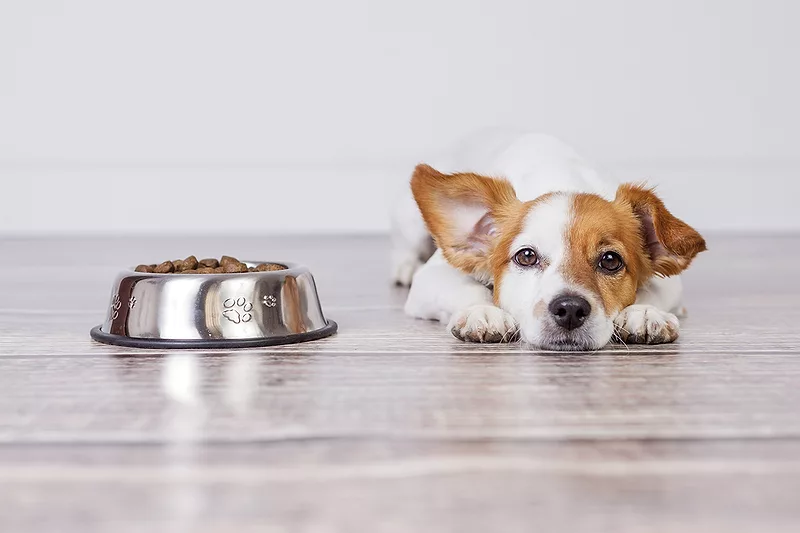
In veterinary medicine, a reduced appetite is called hyporexia. It can be completely harmless or an early sign of something that needs attention. Context is everything.
Why Your Dog Might Not Be Eating
1. Environmental or Behavioral Reasons
This is the most common cause and usually the least serious. Small disruptions to routine can put dogs off their food.
- Hot weather or heat stress
- Travel or change in environment
- Stress or anxiety
- A sudden switch in food brand
- Too many treats throughout the day
These cases typically resolve on their own within 24 hours.
2. Gastrointestinal Discomfort
Digestive issues often reduce appetite before other symptoms show up. Watch for vomiting or loose stools developing later.
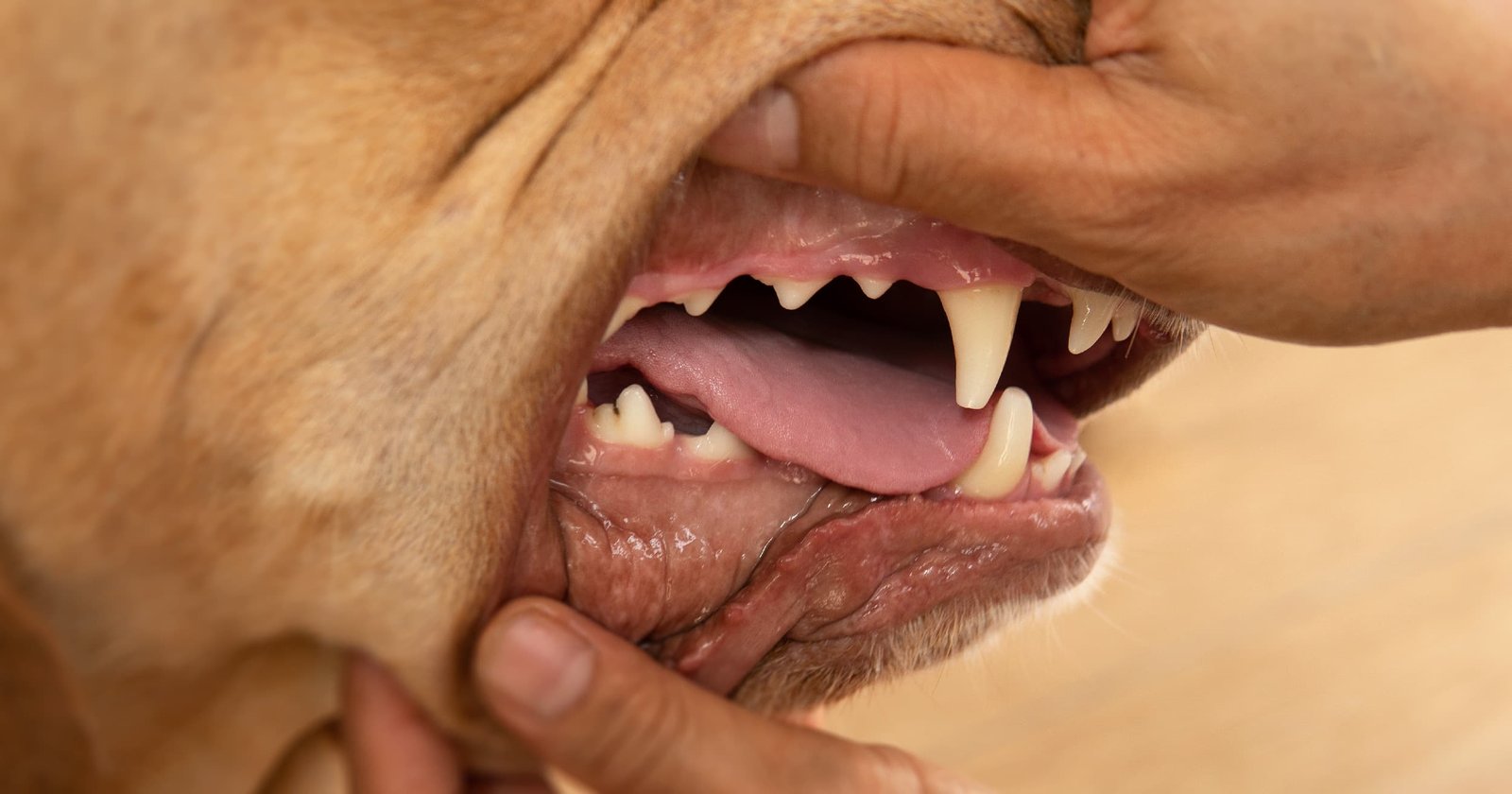
3. Dental or Oral Pain
A dog with a cracked tooth or gum disease may walk up to their bowl, sniff it, and walk away. They’re hungry eating just hurts.
4. Early Systemic Disease
Conditions like kidney dysfunction, liver disease, or infections can show up first as a quiet loss of appetite before any other obvious signs appear.
5. Stress and Anxiety
A new baby, a move, a change in your schedule, or even construction noise nearby can suppress appetite in an otherwise healthy dog.
🔴 When to Call Your Vet
- Food refusal lasting more than 24–48 hours
- Vomiting or diarrhea appears alongside it
- Your dog seems weak, lethargic, or unusually quiet
- They’re also refusing water
- Signs of bloating or abdominal discomfort
What You Can Do at Home
- Try a bland diet boiled chicken and plain rice works well
- Keep fresh water available at all times
- Reduce treats so hunger builds naturally
- Keep their environment calm and routine consistent
- Don’t force-feed it usually makes things worse
The Bottom Line
A missed meal here and there usually isn’t cause for panic. But if the food refusal goes on past 48 hours, or anything else seems off, don’t wait. You know your dog trust that instinct.

Leave a Reply